

Beyond the Mirage of Clarity: How Instrumentalized Ambiguity Became the Ultimate Power Tool
Instrumentalized ambiguity turns uncertainty into power by producing fear, inaction, and defensive collaboration across public institutions.

Instrumentalized ambiguity turns uncertainty into power by producing fear, inaction, and defensive collaboration across public institutions.

Crime adaptation sensors reveal when public security learns, and when organized crime only moves, hides, replaces, and adapts.
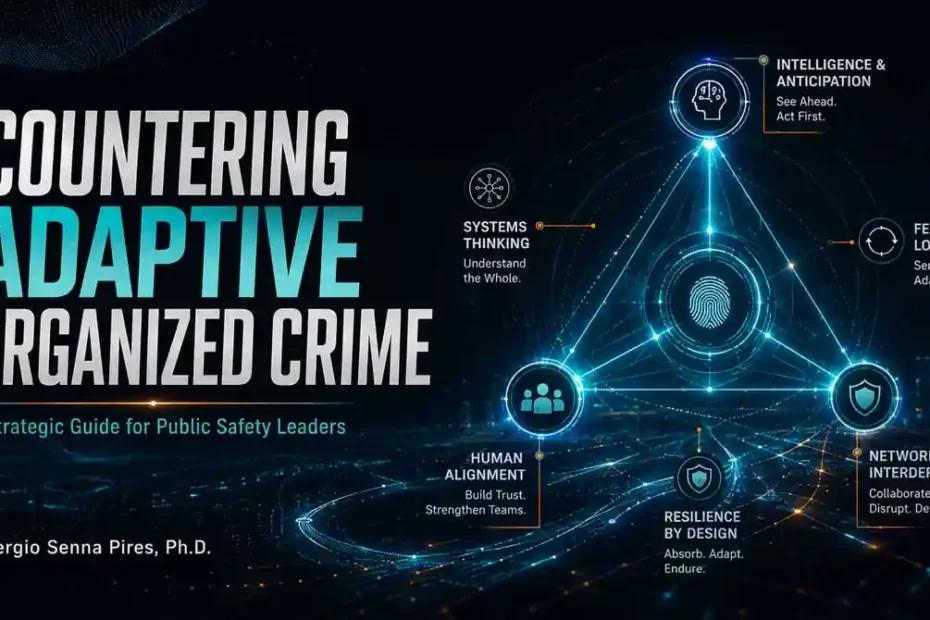
Adaptive organized crime requires leaders to move beyond wiping ice and target the patterns that let criminal systems learn and…

Adaptive crime strategy shows why tactical success can teach organized crime to reorganize unless public safety leaders read the system…

Criminal adaptive advantage explains why predictable state patterns may strengthen adaptive criminal networks.

The Crime That Learns explains crime as a system and shows how public security can target functions, resilience, and operational…
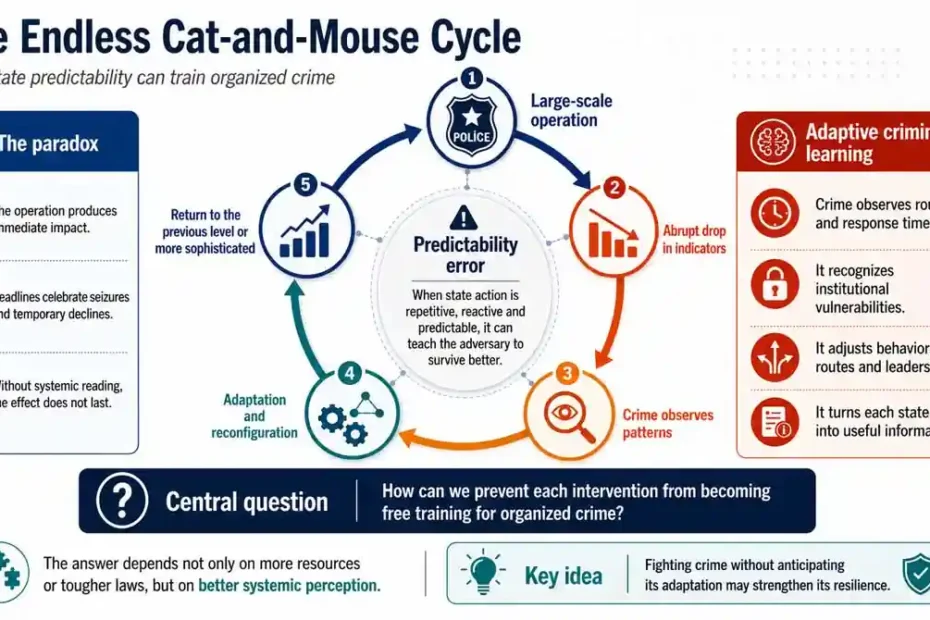
Adaptive criminal learning explains why crime resists, learns from the State, and requires durable public strategies with method.
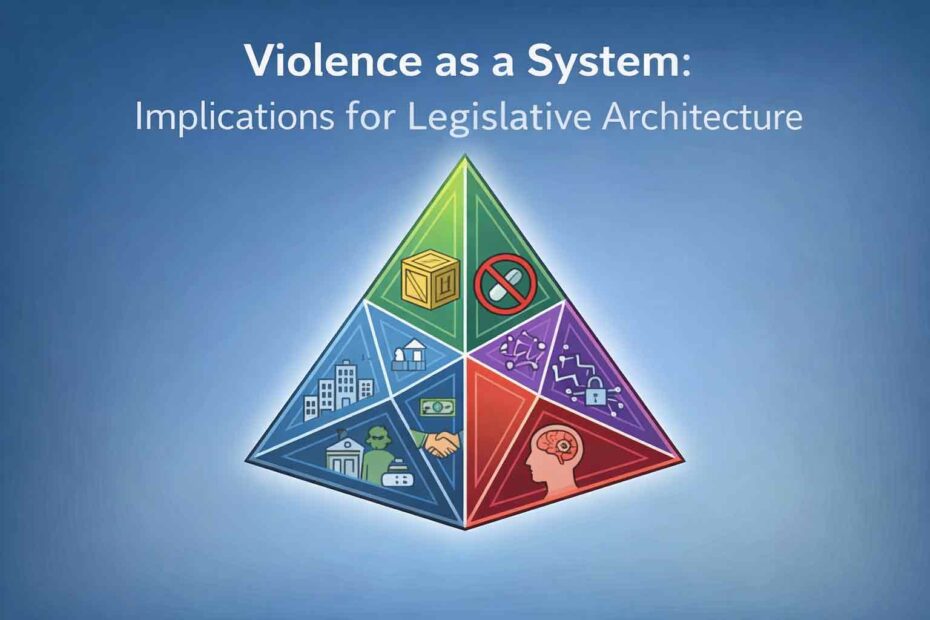
More enforcement does not guarantee more control. Discover why legislative architecture must address violence as a complex adaptive system.