

The Five Dimensions of Violence and How They Manifest in Daily Life
Violence isn’t just physical. Learn to identify the 5 dimensions of violence—from symbolic to decisional—that impact our daily lives.

Violence isn’t just physical. Learn to identify the 5 dimensions of violence—from symbolic to decisional—that impact our daily lives.
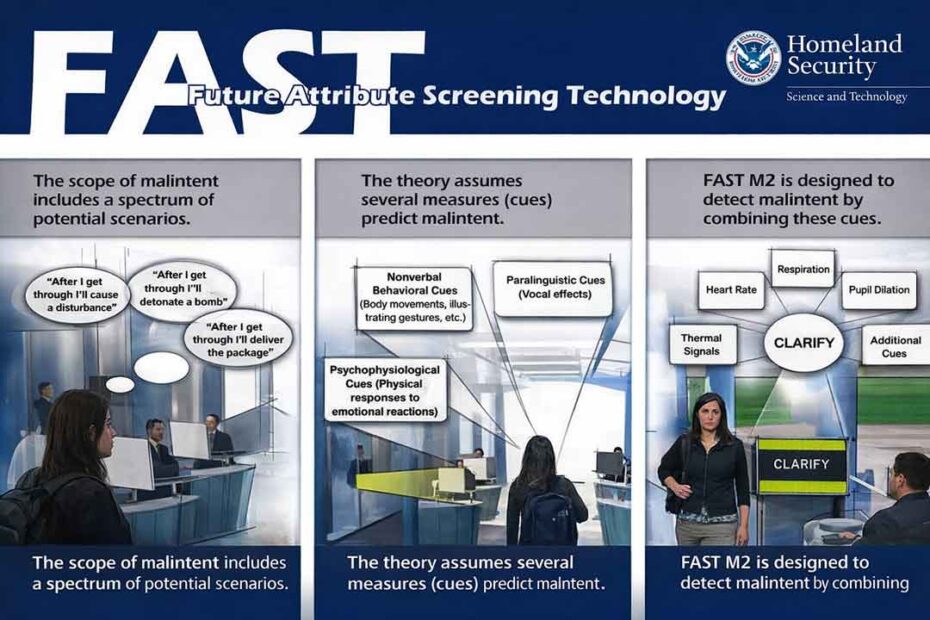
False positives and decisional risks: the limits of FAST technology and why the State cannot automate the reading of human…
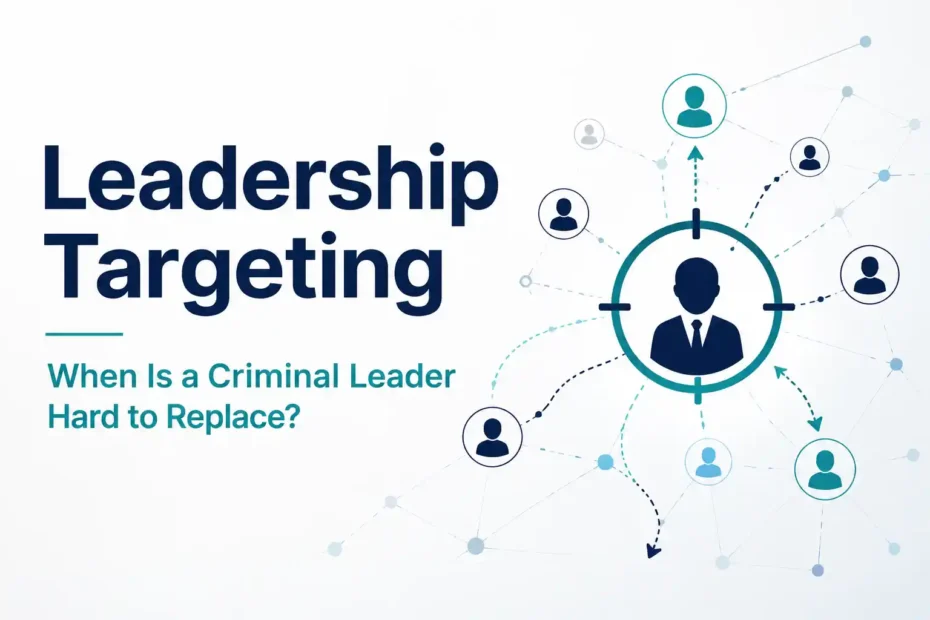
Leadership targeting has limited strategic value if the assessment begins and ends with rank, visibility, or network prominence. Its operational…

A kingpin strategy should track what returns after capture. Learn why functional substitution matters more than finding the next boss.
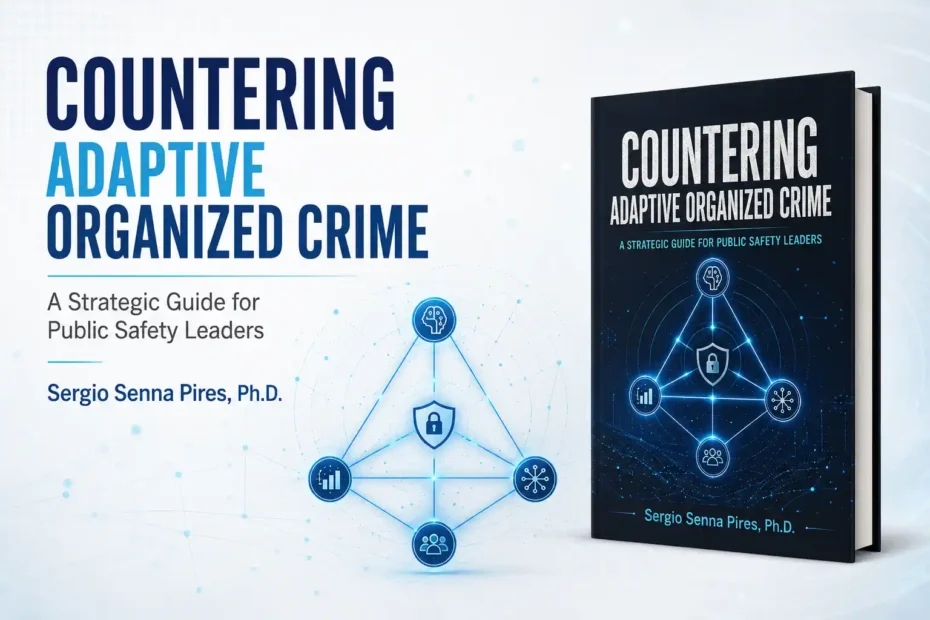
Adaptive organized crime does not stand still under pressure. Explore concepts for criminal adaptation and stronger public safety decisions.

A coupling can also become critical when authorities reduce alternatives and increase criminal dependence on a strategically sensitive relationship.

Instrumentalized ambiguity turns uncertainty into power by producing fear, inaction, and defensive collaboration across public institutions.
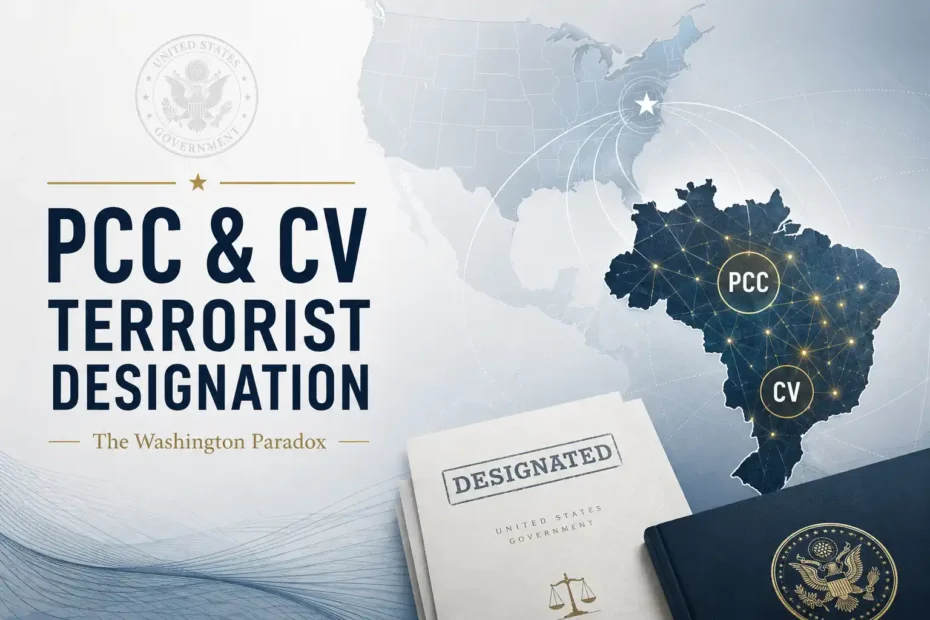
PCC and Comando Vermelho terrorist designation: see how stronger U.S. pressure may disrupt criminal networks and trigger new adaptations.

Crime adaptation sensors reveal when public security learns, and when organized crime only moves, hides, replaces, and adapts.
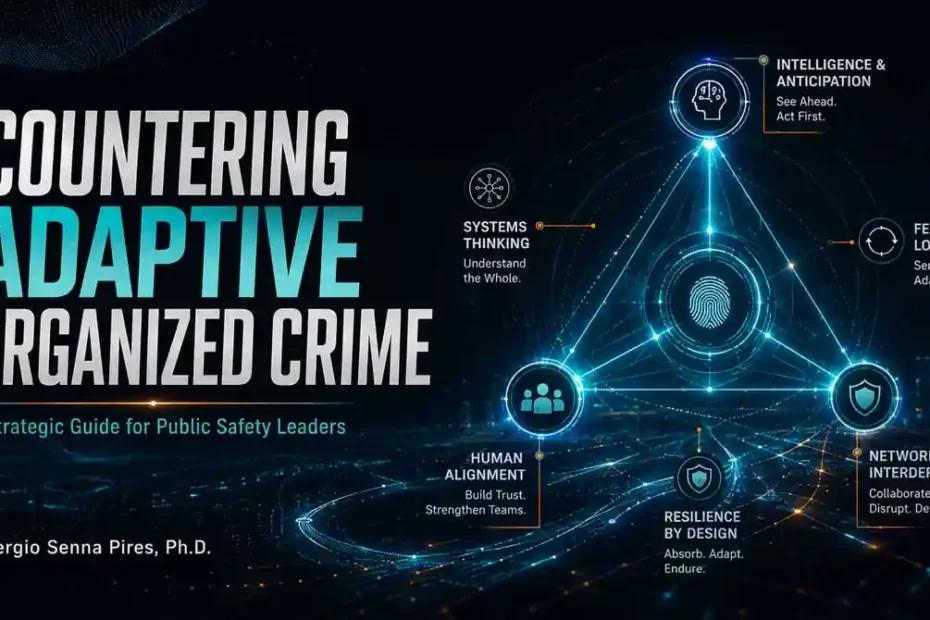
Adaptive organized crime requires leaders to move beyond wiping ice and target the patterns that let criminal systems learn and…
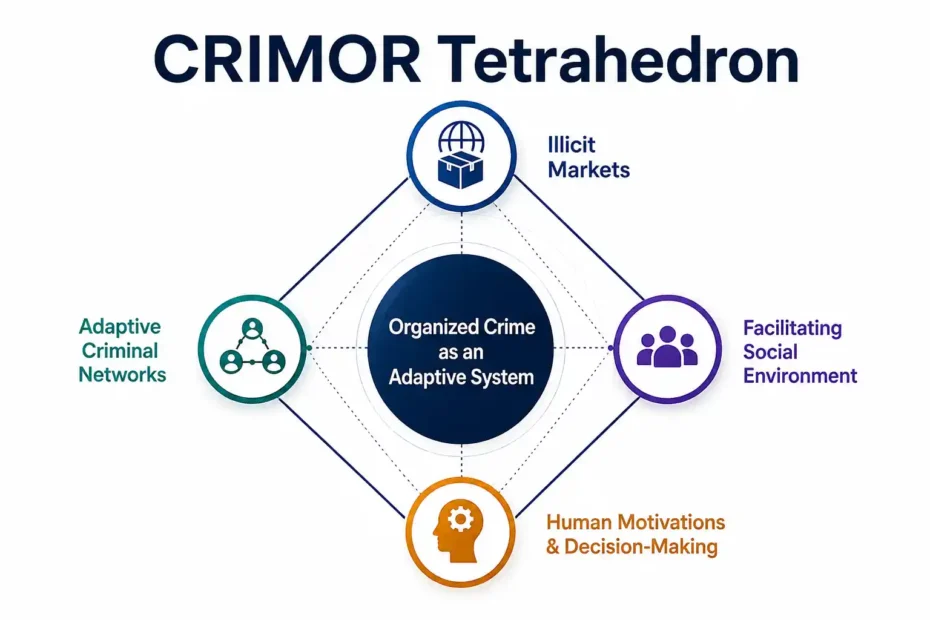
The CRIMOR Tetrahedron maps organized crime through markets, networks, environments, and human decisions.
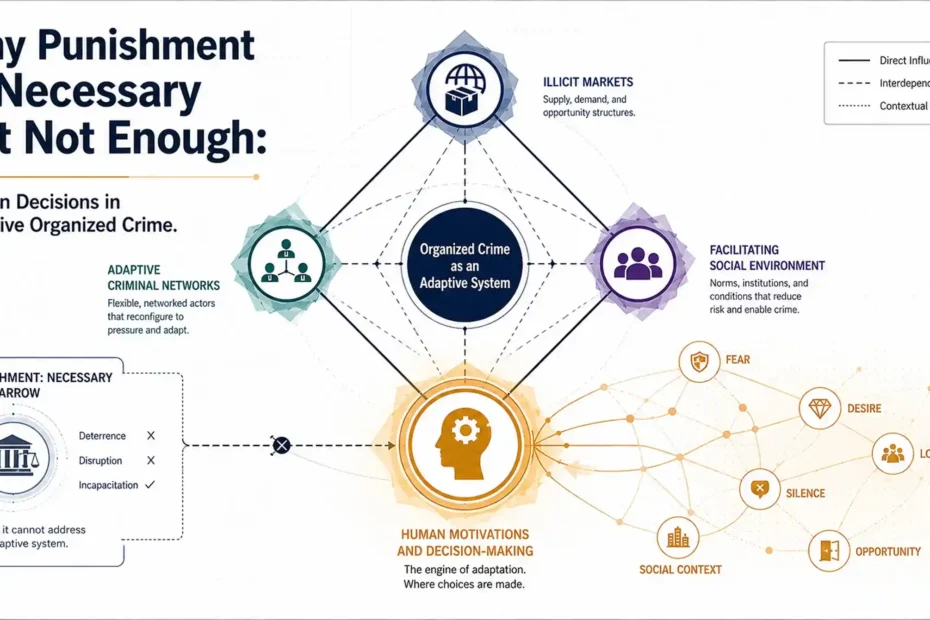
Human decisions in organized crime explain why punishment is necessary but not enough to disrupt adaptive criminal systems.
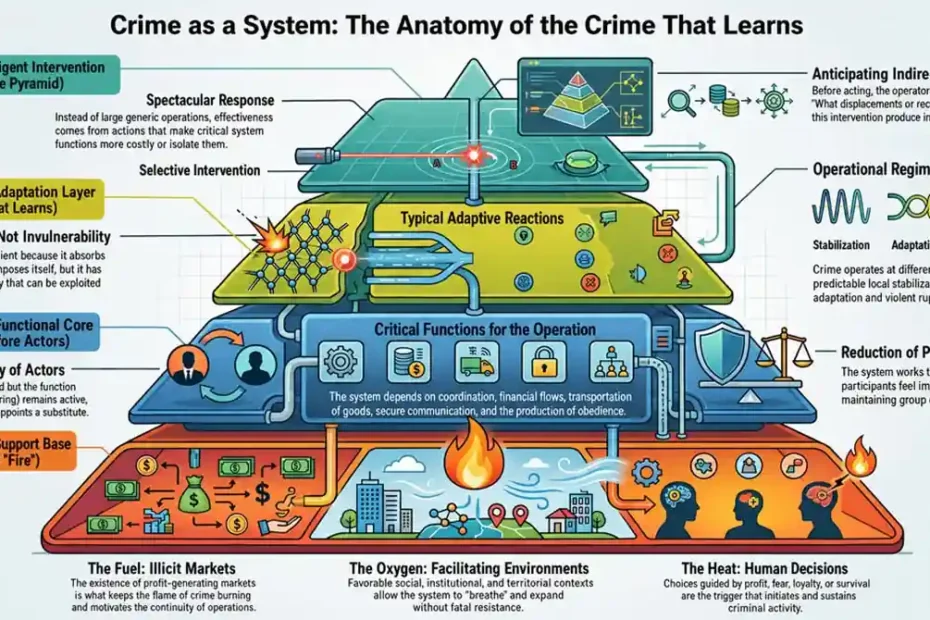
Adaptive organized crime learns from repeated state action. This article explains why public safety needs systemic thinking.
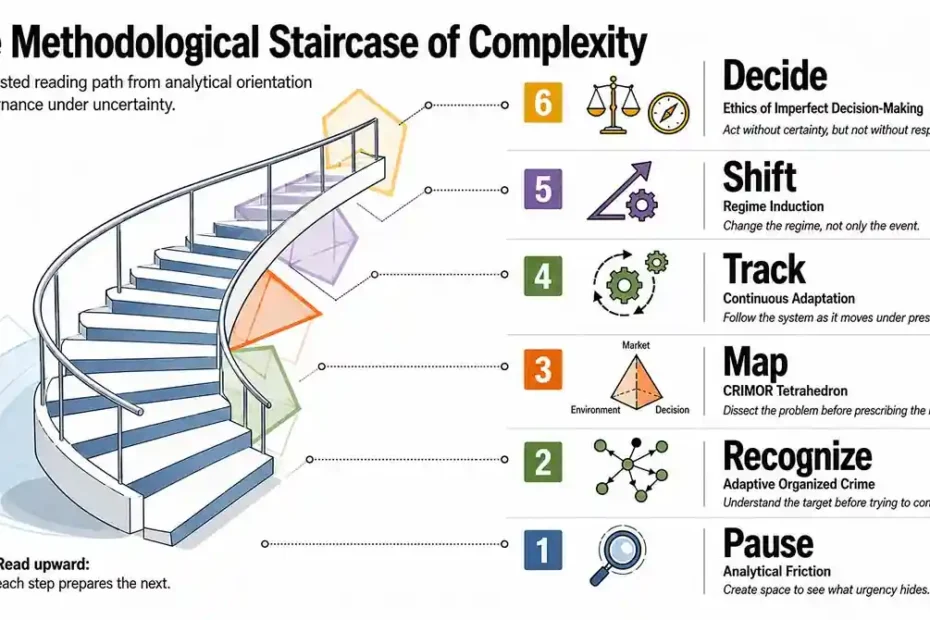
Analytical friction helps public safety leaders pause, test assumptions, and follow a structured path for decisions against adaptive crime.

Adaptive crime strategy shows why tactical success can teach organized crime to reorganize unless public safety leaders read the system…

Criminal adaptive advantage explains why predictable state patterns may strengthen adaptive criminal networks.

The Crime That Learns explains crime as a system and shows how public security can target functions, resilience, and operational…